What are CBDC‘s also known as Central Bank Digital Currencies?

A central bank digital currency (CBDC) is a digital version of a national currency that is issued and backed by the central bank of a country. It can be used by individuals and businesses to make electronic payments and can be stored in digital wallets or on other types of digital platforms.

CBDCs differ from other types of digital currencies, such as Bitcoin and Ethereum, in that they are issued and backed by a central bank. This means that they are considered to be a more stable and trustworthy form of digital currency, as they are backed by the full faith and credit of the central bank.

In general, a CBDC is a digital version of a national currency that is issued and backed by the central bank of a country. It can be used by individuals and businesses to make electronic payments and can be stored in digital wallets or on other types of digital platforms. Some people have suggested that CBDCs could potentially offer a number of benefits, such as increasing financial inclusion and making it easier for people to access and use financial services, but there are also potential risks and challenges associated with their use.

In recent years, the concept of a central bank digital currency (CBDC) has gained a lot of attention from governments, central banks, and the general public. But what exactly is a CBDC, and why is it generating so much interest?

A CBDC is a digital version of a national currency that is issued and backed by the central bank of a country. It can be used by individuals and businesses to make electronic payments and can be stored in digital wallets or on other types of digital platforms. This is similar to the way that people currently use debit and credit cards, or digital payment services like PayPal, to make electronic payments.

One of the main differences between a CBDC and other types of digital currencies, such as Bitcoin and Ethereum, is that a CBDC is issued and backed by a central bank. This means that it is considered to be a more stable and trustworthy form of digital currency, as it is backed by the full faith and credit of the central bank.

There are a number of potential benefits to using a CBDC. For example, it could increase financial inclusion by making it easier for people to access and use financial services, particularly in areas where there is limited access to traditional banking infrastructure. CBDCs could also make it easier for people to make and receive payments, as they could be used to send and receive money instantly, without the need for intermediaries like banks or payment processors.

However, there are also potential risks and challenges associated with the use of CBDCs. One concern is that the widespread adoption of a CBDC could disrupt the traditional banking system and potentially lead to the disintermediation of banks. There are also questions about how a CBDC would be regulated and how it would interact with other financial assets and instruments.

Despite these challenges, central banks around the world are actively studying the potential impacts and implications of issuing a CBDC. Some countries, such as China and Sweden, have already made significant progress in this area, while others, like the United States and the European Union, are still in the early stages of research and development.

Overall, the concept of a CBDC is a complex and multifaceted one, and it will likely be some time before we see any widespread adoption of this technology. However, as the world becomes increasingly digital and interconnected, it is likely that we will see more central banks exploring the potential benefits and challenges of issuing a CBDC in the future. Til next time, good business sells itself….#peace

Custodial vs Non-Custodial Wallets: What’s the Difference?

When it comes to managing cryptocurrencies, one of the most important decisions you’ll make is choosing a wallet. Two of the most popular types of wallets are custodial and non-custodial wallets, and understanding the difference between them is crucial for ensuring the safety and security of your assets.

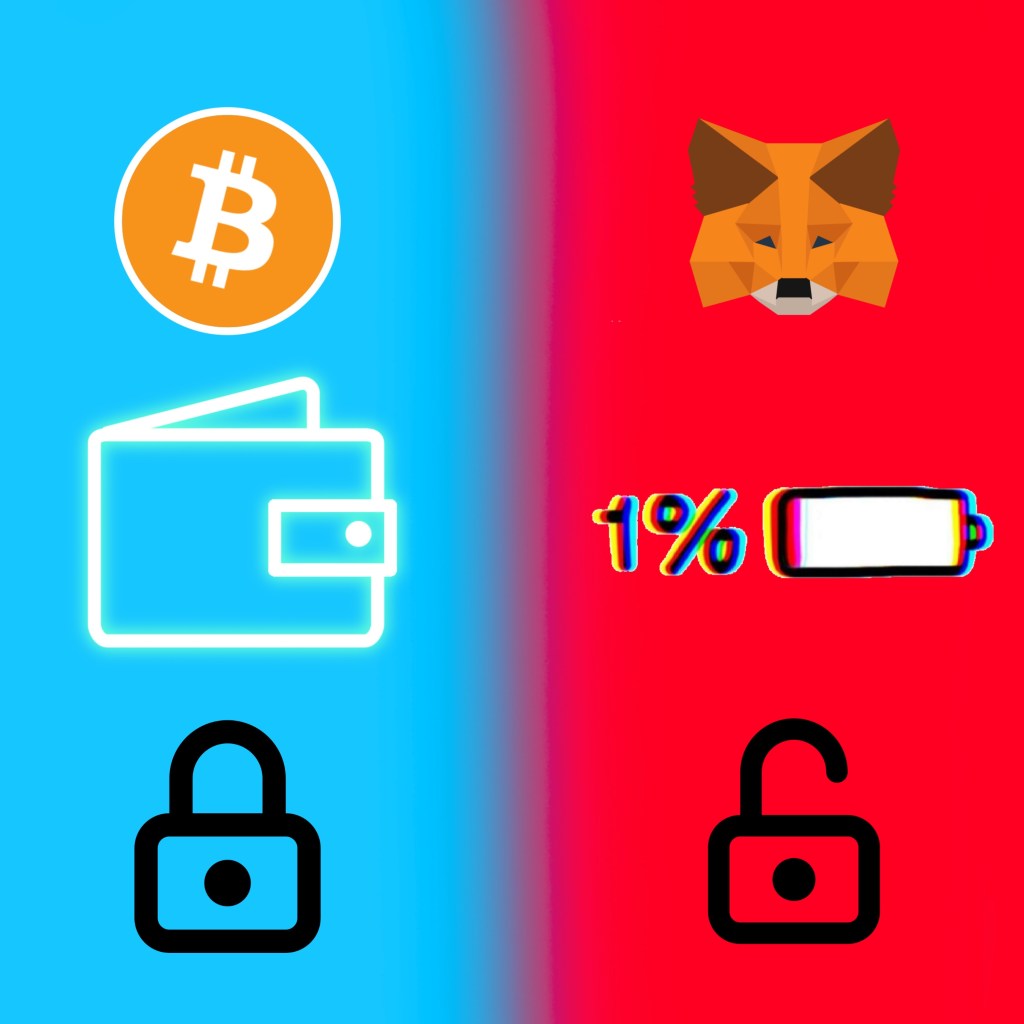
A custodial wallet is one where a third party holds the private keys to your funds. In other words, you don’t have direct control over your assets, and you must trust the third party to keep your funds safe. Examples of custodial wallets include exchanges like Coinbase and Binance.

On the other hand, a non-custodial wallet also know as hot and cold wallets is one where you have sole control over your private keys. This means that you have complete control over your funds and can manage them without relying on a third party. Examples of non-custodial wallets include hardware wallets like Trezor and Ledger, as well as software wallets like MyEtherWallet and MetaMask.

One of the main advantages of custodial wallets is that they are convenient and easy to use. You can store, buy, and sell cryptocurrencies directly from the wallet, and you don’t have to worry about managing private keys or understanding how to use a hardware wallet.

However, custodial wallets also come with some significant disadvantages. Since you don’t have control over your private keys, you must trust the third party to keep your funds safe. This can be a big risk, as exchanges are frequently hacked and funds are stolen. In addition, if the exchange goes out of business or is otherwise unable to access your funds, you may lose access to your assets.

In contrast, non-custodial wallets offer a higher degree of security and control, but can be more complicated and time-consuming to use. With a non-custodial wallet, you must ensure that your private keys are kept safe and secure, and you may need to go through a learning curve to understand how to use the wallet effectively.

In a nut shell, the choice between a custodial and non-custodial wallet will depend on your personal preferences and risk tolerance. If convenience and ease of use are important to you, a custodial wallet may be the best choice. However, if you are concerned about the security of your assets and want complete control over your funds, a non-custodial wallet may be the better option. Til next time, good business sells itself….#Peace

“The Power of Paid Advertising: Why You Shouldn’t Ignore It”

Paid advertising can be a powerful tool for promoting your business and attracting customers, but it’s often overlooked in favor of organic marketing strategies. Here are just a few reasons why paid advertising should not be ignored:

1. Reach a larger audience: With paid advertising, you can reach a much larger audience than you could through organic methods alone. This is especially true for newer businesses that may not have a large following yet.

2. Target specific demographics: Paid advertising allows you to target specific demographics, such as age, gender, location, and interests. This can be a highly effective way to reach potential customers who are interested in your product or service.

3. Improve brand visibility: Paid advertising can help increase brand visibility and awareness, especially if you’re targeting keywords and demographics that are relevant to your business.

4. Drive traffic to your website: Paid advertising can be a great way to drive traffic to your website, especially if you’re targeting specific keywords. This can help you generate leads and sales.

5. Measurable results: One of the biggest advantages of paid advertising is that it provides measurable results. You can track how many people are clicking on your ads and how they are interacting with your website, allowing you to see what’s working and what’s not. If you can’t measure it you can’t manage it 😉

6. Quick results: Unlike organic marketing methods, which can take time to see results, paid advertising can provide quick results. This can be especially useful for businesses that need to generate leads and sales quickly.

At the end of the day the power of paid advertising should not be ignored. While it’s important to have a balance between paid and organic marketing efforts, paid advertising can provide a much-needed boost to your business and help you achieve your marketing goals. Til next time, good business sell itself….#peace

Brand Awareness: A Complete Guideline On Gaining Notability With Your Brand…

Bringing awareness to your business and brand is crucial in order to attract new customers and generate revenue. There are a variety of ways to do this, but the key is to find the methods that work best for your specific business and target audience. Here are some best practices for bringing awareness to your business and brand:

1. Develop a strong brand identity: Your brand identity should be consistent across all of your marketing materials, including your logo, website, social media profiles, and business cards. A strong brand identity helps to establish trust and credibility with potential customers.

2. Create valuable content: Creating valuable content, such as blog posts, infographics, and videos, can help to establish your business as a thought leader in your industry. This type of content can also be used to drive traffic to your website and social media profiles.

3. Utilize social media: Social media platforms, such as Facebook, Instagram, Twitter, and nowadays TikTok are powerful tools for reaching a large audience. By regularly posting updates, engaging with followers, and running social media ads, you can increase brand awareness and drive traffic to your website.

4. Network and collaborate: Networking and collaborating with other businesses and individuals in your industry can help to increase brand awareness. This can include attending networking events, joining industry groups, and partnering with other businesses on joint marketing campaigns.

5. Optimize for search engines: Optimizing your website and online content for search engines, such as Google, can help to increase visibility and bring more traffic to your site. This can include things like creating meta tags, using keywords, and building backlinks.

6. Leverage Influencers and Ambassadors: Influencer marketing is a highly effective way to increase brand awareness. By partnering with influencers and brand ambassadors, you can tap into their existing audience and gain exposure to new potential customers.

7. Use Email Marketing: Email marketing is a highly effective way to reach your audience and promote your brand. By regularly sending out newsletters, promotional emails, and other types of messages, you can keep your audience engaged and informed about your business.

8. Host events: Hosting events, such as workshops, webinars, and networking events, can be an effective way to bring awareness to your business and build relationships with potential customers.

9. Be active in the community: Being active in your local community can help to increase brand awareness and build relationships with potential customers. This can include things like participating in charity events, sponsoring local sports teams, and volunteering.

10. Measure and adjust: It’s important to measure the effectiveness of your marketing campaigns and adjust your strategy accordingly. This can include things like tracking website traffic, monitoring social media engagement, and analyzing the results of your email marketing campaigns.

In essence, bringing awareness to your business and brand requires a combination of different strategies and tactics. By developing a strong brand identity, creating valuable content, utilizing social media, networking and collaborating, optimizing for search engines, leveraging influencers and brand ambassadors, using email marketing, hosting events, being active in the community, and measuring and adjusting your strategy, you can increase brand awareness, attract new customers, and grow your business. So til next time, good business sells itself….#peace

8 Steps To Finding Your Target Audience

Finding your target audience, curating clear messaging, and attracting new customers are all essential for the success of any business. Here are some tips on how to do just that:

1. Define your target audience: The first step in finding your target audience is to define who they are. Consider factors such as age, income, location, interests, and pain points. Once you have a clear idea of who your target audience is, you can begin to create messaging and marketing strategies that will appeal to them.

2. Research your audience: Once you have a general idea of who your target audience is, it’s important to conduct research to gain a more in-depth understanding of their needs, wants, and pain points. This can include surveys, focus groups, and interviews with potential customers.

3. Create a buyer persona: A buyer persona is a fictional representation of your ideal customer. It should include information such as demographics, goals, challenges, and buying habits. This will help you to create a more targeted marketing strategy.

4. Create clear messaging: Your messaging should be clear, concise, and to the point. Be sure to focus on the benefits of your product or service and how it will solve the pain points of your target audience. Your messaging should also be consistent across all of your marketing channels.

5. Utilize social media: Social media is a powerful tool for reaching and engaging with your target audience. Be sure to create a social media strategy that includes regular posts, engagement with followers, and paid advertising.

6. Build a mailing list: Building a mailing list of potential customers is a great way to keep in touch with them and promote your business. Be sure to include a sign-up form on your website and offer a incentives for signing up, such as discounts or exclusive content.

7. Leverage Influencer Marketing: Influencer marketing is a powerful way to attract new customers. Identify influencers in your industry who have a large following that aligns with your target audience. Partner with them to promote your brand and products.

8. Optimize your website: Your website should be optimized for both search engines and user experience. Be sure to include calls to action, such as “Sign up for our newsletter” or “Contact us for more information” to encourage visitors to take the next step.

In a nutshell, finding your target audience, curating clear messaging, and attracting new customers are all essential for the success of any business. By following the tips outlined above, you can increase your chances of success and grow your business. Til next time, Good Business sells itself…..#peace

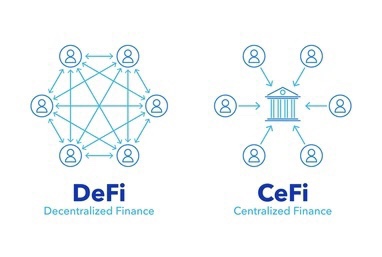
Central vs Decentralized Currencies….

Centralized digital currencies, also known as digital fiat currencies, are digital versions of traditional fiat currencies such as the US dollar or Euro. They are issued and controlled by a central authority, typically a government or central bank. Examples of centralized digital currencies include China’s Digital Yuan and the proposed digital dollar in the United States.

Decentralized digital currencies, also known as cryptocurrencies, are not controlled by any central authority. Instead, they operate on a decentralized network, typically using blockchain technology. The most well-known example of a decentralized digital currency is Bitcoin, but there are thousands of other cryptocurrencies in existence.

One of the key differences between centralized and decentralized digital currencies is the level of control and transparency. Centralized digital currencies are controlled by a central authority, which has the power to issue new currency, track transactions, and even freeze or seize assets. This level of control can be seen as both a strength and a weakness. On one hand, it allows for greater control over monetary policy and can help prevent inflation and financial crises. On the other hand, it also gives the central authority a significant amount of power over individuals and can lead to issues such as privacy violations and censorship.

Decentralized digital currencies, on the other hand, operate on a decentralized network, with no central authority controlling the issuance or tracking of transactions. This allows for a high degree of autonomy and privacy for individuals, but also means that there is no central authority to prevent inflation or stabilize the value of the currency. Additionally, decentralized digital currencies are often associated with illegal activities such as money laundering and tax evasion, due to the anonymity they provide.

Another key difference between the two is in terms of scalability and transaction speed. Centralized digital currencies can process a large number of transactions in a short amount of time, but this often comes at the cost of privacy and security. Decentralized digital currencies, on the other hand, may have slower transaction times but offer a higher level of security and privacy.

In essence, centralized and decentralized digital currencies both have their own unique advantages and disadvantages. Centralized digital currencies offer greater control and stability, while decentralized digital currencies offer more autonomy and privacy. Both have their own unique use cases, and it’s likely that we will see a combination of both in the future as the technology and regulations around digital currencies continue to evolve. Til next time, good business sells itself….

The Correlation Between Language and Business…

Language plays a critical role in the world of business. It is the primary means of communication between employees, customers, and partners. As such, it is essential for businesses to have a strong grasp of language in order to effectively communicate their message and achieve their goals.

One of the most important aspects of language in business is its ability to convey meaning. Effective communication is crucial for building relationships, making deals, and ensuring that all parties are on the same page. This is particularly important in cross-cultural business situations, where differences in language and communication styles can lead to misunderstandings and miscommunication.

In addition to conveying meaning, language also plays a significant role in building trust. Trust is a major component of any business relationship, and it is often established through clear and consistent communication. By speaking the same language as their customers and partners, businesses can establish a sense of shared understanding and create an environment of trust.

Another important aspect of language in business is its ability to influence behavior and invoke emotion. The words and phrases that a business uses can have a significant impact on how customers and partners perceive the company and its products or services. For example, using jargon or technical language can make a business seem more credible and professional, while using colloquial or casual language, and sometimes slang can create a more approachable and relatable image.

Finally, language is also important for creating a sense of identity and branding within a business. A company’s mission, values, and personality are often reflected in the language that it uses, and this can have a huge impact on how the company is perceived by customers and partners.

In a nutshell, language is an essential component of business, and it plays a critical role in communication, building relationships, establishing trust, influencing behavior, and creating a sense of identity. Businesses that understand the importance of language and make an effort to use it effectively will be better equipped to succeed in today’s global marketplace. Til next time, good business sells itself….#peace

How Crypto Wallets Work

Cryptocurrency wallets use a pair of keys, known as a public key and a private key, to secure and manage digital currency transactions. These keys play a crucial role in ensuring the security and integrity of the cryptocurrency network.

A public key is a string of characters that is used to identify a specific wallet address. It is similar to a bank account number and is used to receive digital currency. It is publicly available and can be shared with anyone.

A private key, on the other hand, is a secret code that is used to access and manage the funds in a specific wallet address. It is similar to a PIN code and should never be shared with anyone. The private key is used to sign digital currency transactions and it is required to access the funds in a wallet.

When a digital currency transaction is initiated, the sender uses the recipient’s public key to send the funds to their wallet address. The recipient then uses their private key to access and manage the funds. The transaction is then verified and recorded on the blockchain, ensuring that the funds are transferred securely and accurately.

It is important to note that private keys should be kept safe and secure at all times. If someone gains access to your private key, they will be able to access your funds and make transactions without your permission. This is why it’s highly recommended to use a hardware wallet, or a software wallet with a good security features to store your private key.

In a nut shell, public and private keys are the foundation of cryptocurrency transactions. Public keys are used to identify specific wallet addresses and receive digital currency, while private keys are used to access and manage the funds in a specific wallet address. It’s important to understand the difference between public and private keys and to keep your private key safe and secure at all times. Til next time, good business sells itself…..#peace

Crypto wallets: Protect your ASSETS…..

Cryptocurrency wallets are digital wallets used to store, manage, and transfer digital currencies like Bitcoin and Ethereum. They come in two main types: hot wallets and cold wallets.

Hot wallets are connected to the internet and are therefore more convenient and accessible. They include web wallets, mobile wallets, and desktop wallets. These wallets are easy to use and can be accessed from any device with an internet connection. However, the downside of hot wallets is that they are more susceptible to hacking and cyber attacks.

Cold wallets, on the other hand, are not connected to the internet and are therefore more secure. They include hardware wallets and paper wallets. Hardware wallets are physical devices that store the user’s private keys offline. They are considered to be the most secure form of cryptocurrency storage, as they are immune to hacking and malware attacks. Paper wallets, as the name suggests, are physical copies of the user’s private keys that are printed on paper. They are also offline and considered to be very secure, but they are vulnerable to physical damage and loss.

Advantages of hot wallets include:

• Convenience: they can be accessed from any device with an internet connection

• Ease of use: they are user-friendly and easy to set up

Advantages of cold wallets include:

• Security: they are immune to hacking and cyber attacks

• Offline storage: private keys are stored offline, which adds an extra layer of security

When it comes to functionality, both hot and cold wallets can be used to store, manage, and transfer digital currencies. However, cold wallets are generally considered to be more secure and are therefore better suited for long-term storage of large amounts of digital currency. Hot wallets, on the other hand, are more suitable for day-to-day transactions and for managing smaller amounts of digital currency.

In essence, hot and cold wallets are different in terms of security and accessibility. Hot wallets are more convenient and accessible, but less secure, while cold wallets are more secure but less convenient and accessible. Both types of wallets have their own advantages and it’s important to choose the right one depending on your needs. If you’re planning to hold a large amount of digital currency for a long period of time, a cold wallet is the best choice. If you’re planning to make day-to-day transactions, a hot wallet is the way to go. Til next time, good business sells itself…..#peace

Inflation protection and Investment strategies…

Inflation is a general increase in the price level of goods and services in an economy over a period of time. When prices rise, the purchasing power of money falls, and the economy experiences inflation. Inflation is measured by an index such as the Consumer Price Index (CPI) or the Producer Price Index (PPI).

The dangers of inflation are many, and it can have a negative impact on the economy and individuals alike. High inflation can lead to a decrease in economic growth, as companies are forced to raise prices to keep up with rising costs, which can lead to a decrease in consumer spending. Additionally, high inflation can lead to an increase in interest rates, which can make it more difficult for individuals and businesses to borrow money.

Inflation can also have a negative impact on individuals, as it can erode their purchasing power and make it more difficult for them to afford basic necessities. Additionally, high inflation can lead to an increase in the cost of living, which can make it more difficult for individuals to save for retirement or for other long-term goals.

There are several methods of protection against inflation, including:

  1. Investing in stocks and bonds: Investing in the stock market and bonds can provide a hedge against inflation, as the value of these investments tends to rise with inflation.
  2. Investing in real estate: Real estate can also provide a hedge against inflation, as the value of property tends to rise with inflation.
  3. Investing in commodities: Investing in commodities such as gold and silver can provide a hedge against inflation, as the value of these assets tends to rise with inflation.
  4. Purchasing inflation-indexed bonds: These bonds are designed to provide a return that is linked to inflation, which can help to protect against the erosion of purchasing power.
  5. Keeping cash in a high-yield savings account: This method can also help to protect against inflation, as high-yield savings accounts tend to provide a higher return than traditional savings accounts.

Best practices of investments to protect our wealth from inflation:

  1. Diversify your investments: By investing in a variety of different assets, you can spread your risk and reduce the impact of inflation on your portfolio.
  2. Regularly review your portfolio: Regularly review your portfolio and make adjustments as necessary to ensure that you are properly diversified and that your investments are aligned with your long-term goals.
  3. Keep an eye on interest rates: Keep an eye on interest rates, as they can have a big impact on inflation and your investments.
  4. Stay informed: Stay informed about the economy and the financial markets, as this can help you make better investment decisions.
  5. Invest for the long-term: Remember that inflation is a long-term phenomenon, and that the best way to protect your wealth is to invest for the long-term.

It’s important to note that no single strategy can completely insulate against inflation, but by implementing a well-diversified portfolio, regularly monitoring and adjusting it, staying informed and invested for the long-term, we can mitigate the impact of inflation on our wealth. Til next time, good business sells itself…..#peace