Gold and it’s importance in any economy

Gold is a precious metal that has been valued for thousands of years. It is prized for its beauty, rarity, and its ability to retain value over time. In this blog, we will explore why gold is so valuable, how it retains its value, why it is a good investment, and how to buy it.

One of the reasons gold is so valuable is because it is a scarce resource. There is a limited amount of gold in the world, and it is costly and time-consuming to mine. Additionally, gold is durable and does not corrode, which means that it can be passed down from generation to generation without losing its value.

Another reason gold is valuable is because it has been used as a store of value for thousands of years. Unlike paper money, gold does not lose its value over time. In fact, gold tends to increase in value during times of economic uncertainty or inflation, making it a safe haven for investors.

Gold is also valuable because it is a hedge against inflation. Inflation occurs when the cost of goods and services increases over time. As the value of paper money decreases due to inflation, gold maintains its purchasing power, making it a good investment option.

Gold is also a good investment because it is a liquid asset. This means that it can be easily bought and sold, and its value can be quickly determined. Additionally, gold can be stored in a variety of forms, such as coins, bars, and jewelry, making it accessible to investors of all levels.

If you’re interested in buying gold, there are several options available to you. One of the most common ways to buy gold is through a bullion dealer, who sells gold coins and bars in various sizes. Another option is to buy gold ETFs (exchange-traded funds) or gold mining stocks, which offer investors exposure to the price of gold without the need to physically hold the metal. Alternatively, you can buy gold jewelry, which can also be a good investment, but it’s worth noting that it may have a lower purity than other forms of gold.

Essentially, gold is a valuable precious metal that has been prized for its beauty, rarity, and ability to retain value over time. Its scarcity and durability make it a valuable resource, while its ability to retain its value makes it a good investment option. It is a hedge against inflation, a liquid asset and can be stored in many forms. If you’re interested in buying gold, there are several options available to you, including buying from a bullion dealer, ETFs or mining stocks, or jewelry. It is important to do your research and consult with a financial advisor before making any investment decisions. Til next time, good business sells itself…..#peace


Bitcoin 101

Bitcoin is a decentralized digital currency that was created in 2009 by an anonymous individual or group of individuals known as Satoshi Nakamoto. It is built on a technology called blockchain, which is a digital ledger that records all transactions made with the currency.

Bitcoin is often considered “digital gold” because it shares many characteristics with the precious metal. Like gold, it is scarce and has a limited supply. There can only ever be 21 million bitcoins in existence, and as of 2021, around 18.7 million have been mined. Additionally, like gold, bitcoin is decentralized and not controlled by any government or financial institution.

One of the key utilities of bitcoin is its ability to act as a store of value. Because the supply of bitcoin is limited, it can act as a hedge against inflation, similar to how gold has been used for centuries. Additionally, the decentralized nature of bitcoin means that it is not subject to the same political and economic risks as traditional currency.

Another utility of bitcoin is its ability to facilitate peer-to-peer transactions without the need for a middleman, such as a bank. This makes it a popular choice for online purchases and cross-border payments, as it eliminates the need for costly and time-consuming intermediaries.

Bitcoin is also gaining popularity as an investment option. The price of bitcoin is notoriously volatile, but it has shown tremendous growth over the years, with some investors becoming overnight millionaires through their investments in the currency.

It’s worth noting that the use cases of bitcoin are still under development. For example, Bitcoin can be used as collateral for lending, but there are still some challenges to overcome in order to be widely adopted. Additionally, there are ongoing efforts to improve the scalability and efficiency of the bitcoin network, which will be crucial for it to be able to handle more transactions in the future.

In essence, Bitcoin is a decentralized digital currency that was created in 2009 by an anonymous individual or group of individuals known as Satoshi Nakamoto. It is built on a technology called blockchain, and it is considered “digital gold” due to its scarcity and ability to act as a store of value. Bitcoin has many utilities, including peer-to-peer transactions, as well as an investment option. However, it is important to note that the use cases of Bitcoin are still under development and that there are challenges to overcome in order to be widely adopted. Til next time, good business sells itself…..#peace

Start-up 101

Starting a business from the ground up can be a challenging but rewarding process. Here is a comprehensive checklist to help guide you through the process:

1. Conduct market research: Research your target market, industry, and competitors to gain a deep understanding of the business landscape.

2. Develop a business plan: Use the information from your market research to create a solid business plan that outlines your business model, financial projections, and goals.

3. Secure funding: Determine the financial requirements of your business and explore different funding options, such as small business loans, crowdfunding, or investors.

4. Choose a business structure: Decide on a legal structure for your business, such as a sole proprietorship, partnership, LLC, or corporation.

5. Register your business: Register your business with the appropriate state and local government agencies and obtain any necessary licenses and permits.

6. Open a business bank account: Set up a separate bank account for your business to keep your personal and business finances separate.

7. Set up accounting and bookkeeping systems: Implement accounting and bookkeeping systems to track your financials and stay organized.

8. Develop a brand: Create a brand identity and develop a marketing strategy to promote your business.

9. Build a website: Create a professional website that provides information about your business, products or services, and allows customers to make online purchases.

10. Build a network: Build relationships with other business owners, entrepreneurs, and industry leaders to gain valuable insights and opportunities.

11. Get insurance: Obtain insurance to protect your business from potential risks and liabilities.

12. Hire employees: If necessary, hire employees and set up HR processes and systems.

13. Continuously evaluate and improve: Continuously evaluate your business processes and make improvements as necessary to drive growth and success.

Keep in mind that this list is not exhaustive and the actual steps and the order of them might vary slightly depending on the business. Additionally, the legal requirements, regulations and best practices might be different across the countries. Therefore, it would be a good idea to consult with a local business attorney, accountant and other expert. Til next time, good business sells itself….#peace

Search Engine Optimization Basics and Tips

Search Engine Optimization (SEO) is the process of optimizing a website to improve its ranking on search engines like Google, Bing, and Yahoo. The goal of SEO is to increase the visibility and accessibility of a website, making it more likely that users will find and visit it.

There are several key factors that search engines use to determine the ranking of a website. These include:

  • Relevance: Search engines look for keywords and phrases that are relevant to the content of a website. They also look for other signals, such as the number of pages on a site and the overall structure of the site.
  • Authority: Search engines use various signals to determine the authority of a website. These include the number of other websites that link to the site, the quality of those links, and the overall domain authority of the site.
  • User Experience: Search engines also take into account the user experience when ranking a website. This includes factors such as the speed of a site, the ease of navigation, and the overall design of the site.

To optimize a website for SEO, there are several things you can do:

  • Use keywords and phrases in the content of your site.
  • Make sure your site is easy to navigate, with a clear structure and logical organization.
  • Build high-quality backlinks to your site from other authoritative websites.
  • Optimize your site for speed and ensure that it is mobile-friendly.
  • Use meta tags and alt tags to describe the content of your site and images.
  • Use schema markup to help search engines understand the structure of your site.
  • Make sure your site is accessible to users with disabilities.
  • Monitor your site’s performance and make adjustments as needed.
  • Keep your website updated with fresh and unique content.

It’s important to note that SEO is an ongoing process and it takes time to see the results. Also, SEO can be a complex and ever-evolving field, so staying up-to-date with the latest best practices and algorithm updates is crucial.

In essence, SEO is a critical component of any digital marketing strategy. By following the tips outlined above, you can improve the visibility and accessibility of your website, making it more likely that users will find and visit it. Remember that SEO is an ongoing process, and it takes time and effort to see the results. Also, keep an eye on the latest trends and updates in the field. Til next time, good business sells itself…..#peace
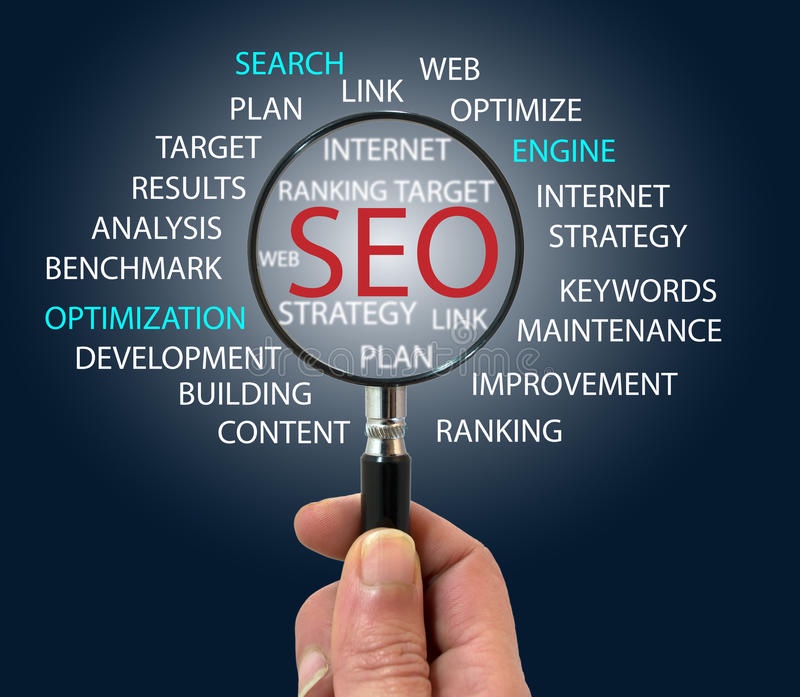
Step by step guide on increasing websites and social media traffic…

Gaining traffic to your website and social media can be a challenging task, but with the right strategies in place, it can be achieved. Here is a step-by-step breakdown of how to increase traffic to your website and social media:

Step 1: Optimize your website for SEO

  • Start by conducting keyword research to understand the terms and phrases that people are searching for in relation to your business.
  • Use these keywords throughout your website, including in the title tags, meta descriptions, and content.
  • Make sure that your website is mobile-friendly and loads quickly.
  • Utilize internal linking to help visitors navigate your website and improve search engine rankings.

Step 2: Create valuable and relevant content

  • Develop a content strategy that focuses on creating valuable and relevant content that will attract and engage your target audience.
  • Utilize different types of content, such as blog posts, videos, infographics, and social media posts.
  • Keep your content fresh and updated regularly to show search engines that your website is active and relevant.

Step 3: Build backlinks

  • Backlinks are links from other websites that point to your website. They are crucial for improving search engine rankings.
  • Reach out to other websites in your industry and ask them to link to your website.
  • Create valuable and shareable content that others will want to link to.

Step 4: Utilize social media

  • Promote your website and content on social media platforms, such as Facebook, Twitter, Instagram, LinkedIn, and Pinterest.
  • Engage with your followers and respond to comments and messages.
  • Utilize paid advertising options, such as Facebook ads or Google AdWords, to reach a larger audience.

Step 5: Track your progress

  • Use tools such as Google Analytics to track your website’s traffic and monitor your progress.
  • Look at what strategies are working and which ones aren’t.
  • Use this data to make adjustments to your strategy and improve your results.

By following these steps, you will be able to increase traffic to your website and social media. Remember that gaining traffic is a process and it may take some time to see results. Keep experimenting with different strategies and keep track of your progress.

In addition, you can also reach out to Influencers and ask them to promote your website or business. You can also leverage on online communities, forums and other platforms that are relevant to your niche, and engage with people and communities there.

Thus at the end of the day gaining traffic to your website and social media requires a combination of SEO, content marketing, social media marketing, and paid advertising. By following the steps outlined above and continually monitoring and adjusting your strategy, you will be able to increase traffic to your website and social media, which in turn will lead to more leads and sales for your business. Til next time, good business sells itself…..#peace

Budgeting 101: Money Management is Life Management

Budgeting is a crucial aspect of personal finance management, as it helps you plan your expenses, save money, and achieve your financial goals. A budget is essentially a spending plan that outlines how you intend to allocate your income. It allows you to take control of your finances and make the most of your money.

Here are some best practices for budgeting:

1. Determine your income and expenses: The first step in budgeting is to determine your income and expenses. This includes all sources of income, such as salary, bonuses, and investments, as well as all your fixed and variable expenses, such as rent, utilities, groceries, and entertainment.

2. Set financial goals: Once you have a clear idea of your income and expenses, it’s important to set financial goals. This could be saving for a down payment on a house, paying off debt, or building up an emergency fund. Setting goals will help you stay motivated and focused on your budget.

3. Make a plan: Now that you have a clear picture of your income and expenses, and you’ve set your financial goals, it’s time to make a plan. This may involve cutting back on unnecessary expenses, finding ways to increase your income, or both. It’s important to be realistic and practical in your plan, as well as flexible, as you may need to adjust your budget as your circumstances change.

4. Track your progress: Once you have a budget in place, it’s important to track your progress and make adjustments as needed. This may involve reviewing your budget regularly, such as monthly or quarterly, and updating it as your income or expenses change. You can use budgeting software, a spreadsheet, or even just a pen and paper to track your progress.

5. Be consistent: The key to successful budgeting is consistency. This means sticking to your budget and making it a habit. It may take some time to get used to budgeting, but with practice and patience, it will become easier and more automatic over time.

By following these best practices, you can take control of your finances and achieve your financial goals. Remember, budgeting is a process, and it’s okay to make mistakes along the way. The important thing is to learn from those mistakes and keep trying. With a little effort and discipline, you can build a strong foundation for your financial future. Til next time, good business sells itself…#peace

Cost vs Price vs VALUE…

Cost, price, and value are all related concepts in economics, but they have different meanings.

Cost refers to the amount of resources, including money, time, and labor, that are required to produce a good or service. The cost of a good or service may include the cost of raw materials, labor, and other expenses incurred in the production process.

Price is the amount of money that is charged for a good or service. The price of a good or service is determined by a variety of factors, including the cost of production, the level of competition in the market, and the demand for the product.

Value, on the other hand, refers to the worth or importance of a good or service to an individual or society. The value of a good or service can be subjective and may differ from person to person. For example, one person may place a high value on a rare collectible, while another person may not see the same value in it.

In essence, cost is the resources that go into producing a good or service, price is the amount of money charged for it, and value is the worth or importance of the good or service to an individual or society. Til next time, good business sells itself…..#peace

Why Entrepreneurship…

Entrepreneurship is an essential component of any healthy economy, as it drives innovation, creates jobs, and generates wealth. But beyond its economic benefits, entrepreneurship is also important for personal growth and fulfillment.

One of the main benefits of entrepreneurship is the opportunity to create something new and bring it to market. This process requires creativity, problem-solving skills, and the ability to take calculated risks. As an entrepreneur, you have the freedom to pursue your own vision and bring your ideas to life. This can be incredibly rewarding and can give you a sense of accomplishment and purpose.

Another benefit of entrepreneurship is the ability to be your own boss and have control over your own time and career path. When you own your own business, you have the flexibility to set your own schedule and make decisions that align with your values and goals. This can be especially appealing for those who are looking for more control over their work-life balance.

In addition to the personal benefits, entrepreneurship also has the potential to make a positive impact on society. By creating new products or services, entrepreneurs can solve problems and meet the needs of their customers in ways that may not have been possible before. This can lead to greater efficiency and productivity, which can ultimately benefit society as a whole.

In essence, entrepreneurship is an important driving force in any economy, and it offers numerous personal and societal benefits. Whether you’re looking to create something new, have more control over your career, or make a positive impact, entrepreneurship can be a rewarding and fulfilling path to pursue. So til next time and always remember, good business sells itself…#peace

The Power Of Networking

Networking and building relationships are essential elements of any successful business. These activities are critical in order to build trust and credibility with potential customers, partners, and investors. In this blog post, we will explore the importance of networking and building relationships in business and discuss some strategies for effectively doing so.

Networking is the process of building and maintaining professional relationships. It is a way to connect with other people in your industry, share information and resources, and collaborate on projects. Networking can take place in person, through social media, or at industry events. Building a strong network of professional contacts can help you to identify new business opportunities, access valuable resources, and gain insight into industry trends.

Building relationships is an important aspect of networking. When you build relationships with other professionals, you establish trust and credibility, which can lead to mutually beneficial partnerships. Strong relationships can also lead to new business opportunities, such as referrals or introductions to potential customers. Additionally, having a strong network of relationships can help you to access resources and information that can help you to grow your business.

Effective networking and relationship building requires a strategic approach. Here are some tips to help you to build and maintain professional relationships:

1. Be authentic: People can sense when you are not being genuine, so it is important to be authentic in your interactions with others.

2. Listen more than you talk: Show a genuine interest in what others have to say and take the time to understand their perspectives.

3. Follow up: After meeting someone new, be sure to follow up with them. This could be a simple email or message thanking them for their time and reiterating your interest in maintaining a connection.

4. Be consistent: Networking and relationship building are ongoing processes. In order to be effective, you need to be consistent in your efforts.

5. Add value: Look for ways to add value to the relationships you build. This could be through providing valuable information, resources, or introductions to other people in your network.

At the end of the day, networking and building relationships are essential for any business. By building a strong network of professional contacts and relationships, you can gain access to valuable resources, identify new business opportunities, and gain insight into industry trends. By following a strategic approach and being authentic, consistent, and providing value, you can effectively build and maintain professional relationships, which will ultimately help you to grow your business. So til next time, good business sells itself…#Peace